Best Water Softeners for Arizona's Hard Water: 2026 Buyer's Guide
By Clean H2O Pros TeamPublished Updated 7 min read
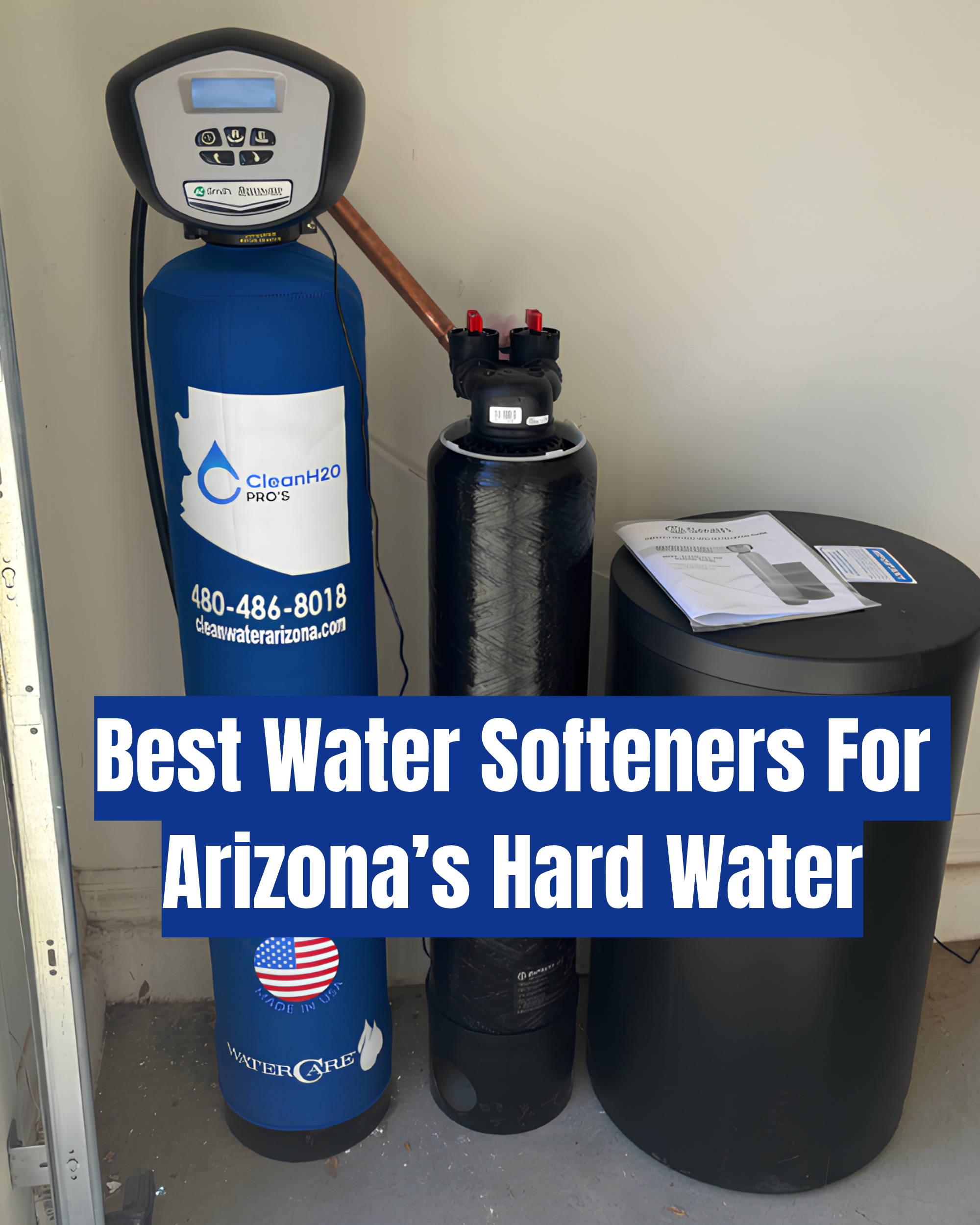
In cities like Phoenix, Tucson, and Scottsdale, mineral levels are among the highest in the country. While hard water is safe to drink, it can cause scale buildup, shorten appliance lifespan, and make cleaning more difficult. Over time, that can mean higher energy bills and more frequent repairs. This guide explains what to look for in a softener built for Arizona conditions.
Why Does Arizona Need a Water Softener Built for Extremely Hard Water?
Arizona water is rich in calcium and magnesium, the minerals responsible for stubborn residue and scale. They are picked up naturally as groundwater moves through rock and soil. Learn more about why Arizona water is so hard.
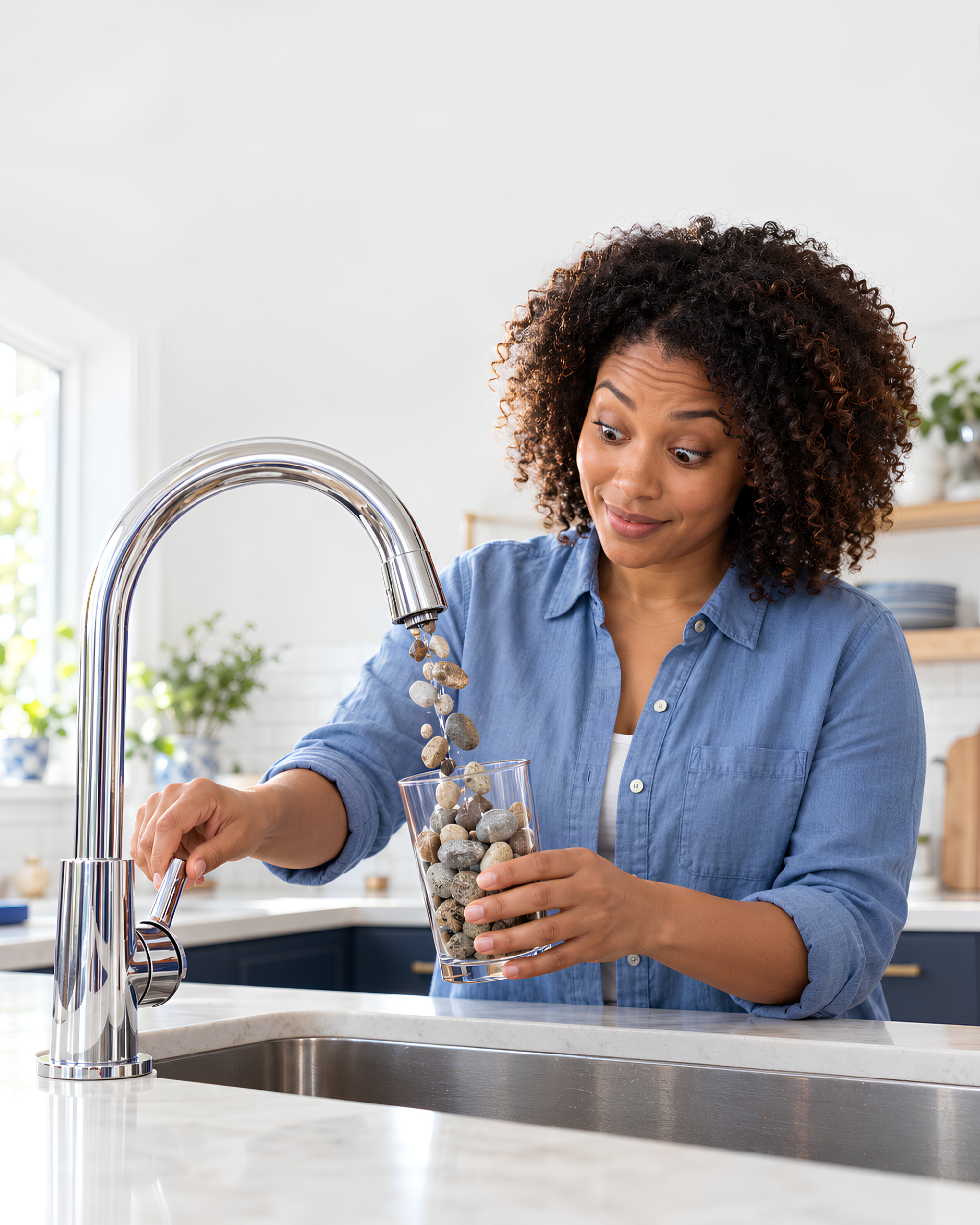
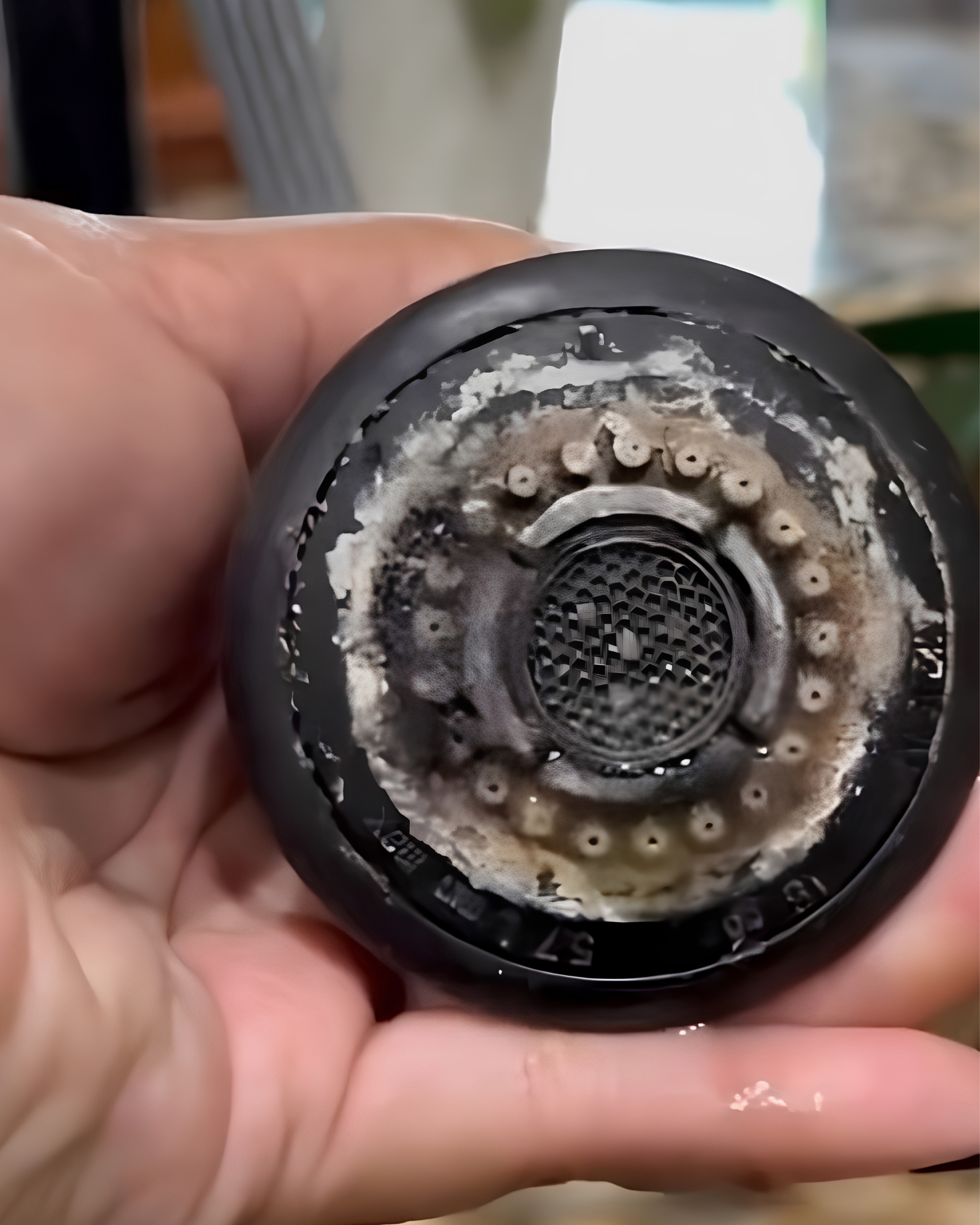
The minerals are harmless to drink, but they leave spots on dishes, can dry out skin and hair, and reduce appliance efficiency. Most homes use treated municipal water that still contains high mineral content. Left untreated, hard water can cause scale inside pipes and water heaters, increasing energy use and maintenance costs.
Because water chemistry varies by region, there is no one-size-fits-all solution. A home water test reveals your hardness level and other concerns, so you can select a system that fits your household. See hardness readings from our in-home tests across Arizona.
Fast Facts About Arizona Hard Water
- Hardness in Arizona homes is often in the very hard range, commonly around 200–400 mg/L (about 12–23 grains per gallon), among the highest in the U.S.
- Salt-based softeners are the most effective choice for protecting plumbing and appliances.
- Salt-free systems reduce scaling but don't remove minerals.
- Some homes need a soft water loop for proper installation.
- Warranty and maintenance costs vary by system and installer.
- Professional consultations help match systems to local water chemistry.
Should You Choose a Salt-Based or Salt-Free Water Softener?
For Arizona's extreme hardness, salt-based systems are the usual choice. Salt-free systems are lower maintenance but do not provide the same level of protection.
| Salt-based softener | Salt-free system | |
|---|---|---|
| How it works | Uses ion exchange to remove calcium and magnesium | Conditions the water to reduce scaling, without removing minerals |
| Best for | Arizona's extreme hardness and protecting appliances | Moderate hardness, or as a supplemental solution |
| Maintenance | Needs salt and regular inspections | Lower maintenance |
| Appliance protection | Highly effective at preventing scale buildup | May not provide the same level of protection |
Swipe to see more
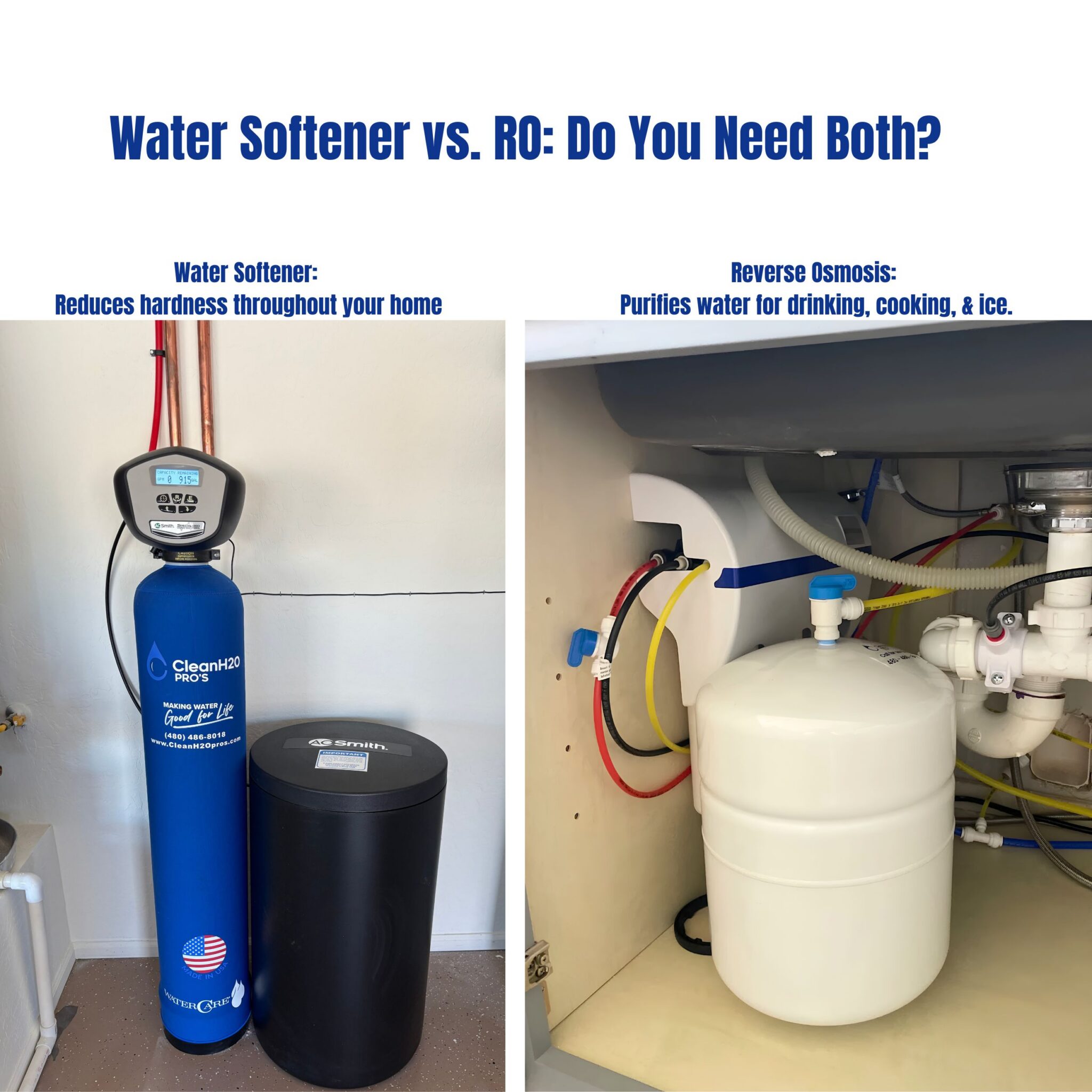
The right system depends on your water chemistry and usage. A water quality test helps ensure proper sizing and performance, especially since hardness varies widely across Arizona. Not sure how a softener differs from a drinking water system? Read Water Softener vs. RO in Arizona.
What Types of Water Softeners Do Arizona Homeowners Choose?
Many Arizona homeowners choose high-capacity, salt-based systems designed for heavy mineral loads. Modern softeners include smart regeneration cycles that reduce salt and water usage while maintaining performance.
Common options include:
- Metered softeners: regenerate based on actual water use rather than a fixed schedule.
- Dual-tank systems: keep soft water available while one tank regenerates.
- Hybrids: combine softening and conditioning.
You can compare available models in our water treatment products, which include systems for homes of all sizes.
What Should You Look for in an Arizona Water Softener?
Use this checklist when comparing systems:
- Capacity and sizing: matched to your measured hardness and household water use.
- Efficiency: high-efficiency systems often cost more upfront but can save money over time by using less salt and protecting appliances. Some modern units use up to 40% less salt than older models.
- Warranty: review warranty options to understand your long-term protection. See brands and warranties.
- Installation requirements: point-of-entry setup, and whether your home needs a soft water loop.
- Local service and support: who handles maintenance, repairs, and salt delivery.
How Much Does a Water Softener Cost in Arizona?
Installed systems typically range from $1,800 to $3,500, depending on capacity and features. Pricing varies with your home's hardness, the system you choose, and installation needs, so a custom quote after a water test helps you plan with confidence. Seasonal special offers can also make upgrading more affordable.
Why Does Installation Matter?
Proper installation is just as important as choosing the right system. Most softeners are installed at the point of entry, so all household water is treated. Homes without a soft water loop may require one to be added for best results.
Arizona homes vary in layout, space, and exposure to heat. Working with experienced professionals helps ensure your system is installed correctly and protected for long-term performance. Clean H2O Pros offers residential water treatment services that include expert installation and ongoing support.
What Support Do You Need After Installation?
Authorized dealers provide proper installation, warranty support, and ongoing maintenance. Many homeowners also choose maintenance plans that include inspections and salt delivery. Explore our service plans, and see what customers say in our Google reviews.
How Do You Choose the Right Softener for Your Home?
Every home uses water differently, and Arizona's hardness levels vary by location. Testing your water first helps determine whether a large salt-based system or a compact solution is the best fit. Proper sizing and installation ensure efficiency and reliability, and ongoing support keeps your system running smoothly.
Arizona's hard water calls for a thoughtful, customized approach. The right water softener can protect appliances, improve cleaning, and reduce daily maintenance.
Frequently Asked Questions
What is the best water softener for Arizona's hard water?
The best choice is a softener sized for your home's measured hardness and household water use, installed and serviced by an experienced local provider. Salt-based softeners that use ion exchange are the most common choice for Arizona's extremely hard water, but the right system depends on your water test.
Is a salt-based or salt-free water softener better for Arizona?
Salt-based softeners remove calcium and magnesium, which makes them highly effective for Arizona's extreme hardness. Salt-free systems condition the water to reduce scaling but do not remove minerals, so they are lower maintenance but may not provide the same appliance protection. They work best in homes with moderate hardness or as a supplemental solution.
How much does a water softener cost in Arizona?
Installed systems typically range from $1,800 to $3,500, depending on capacity and features. A water test helps size the system correctly so you can plan with a custom price.
Do I need a soft water loop for a water softener?
Some homes need a soft water loop for proper installation. Most softeners are installed at the point of entry so all household water is treated, and homes without a soft water loop may require one to be added for best results.
Do high-efficiency water softeners save money?
High-efficiency systems often cost more upfront but can save money over time by using less salt and protecting appliances. Some modern units use up to 40% less salt than older models.
Can a water softener help with well water?
A softener addresses hardness. Rural homes with wells may also face sediment or iron issues, which can be addressed with specialty filters, so a water test should guide the whole setup.
Get a Custom Softener Quote
The best first step is a free in-home water test. We'll measure your hardness, explain your results, and help you compare options for your home, with no pressure.
Prefer to talk with a local expert? Call 480-486-8018.
Book a Free Water Test