What Arizona Homeowners Need to Know About Hard Water
By Clean H2O Pros TeamPublished 4 min read
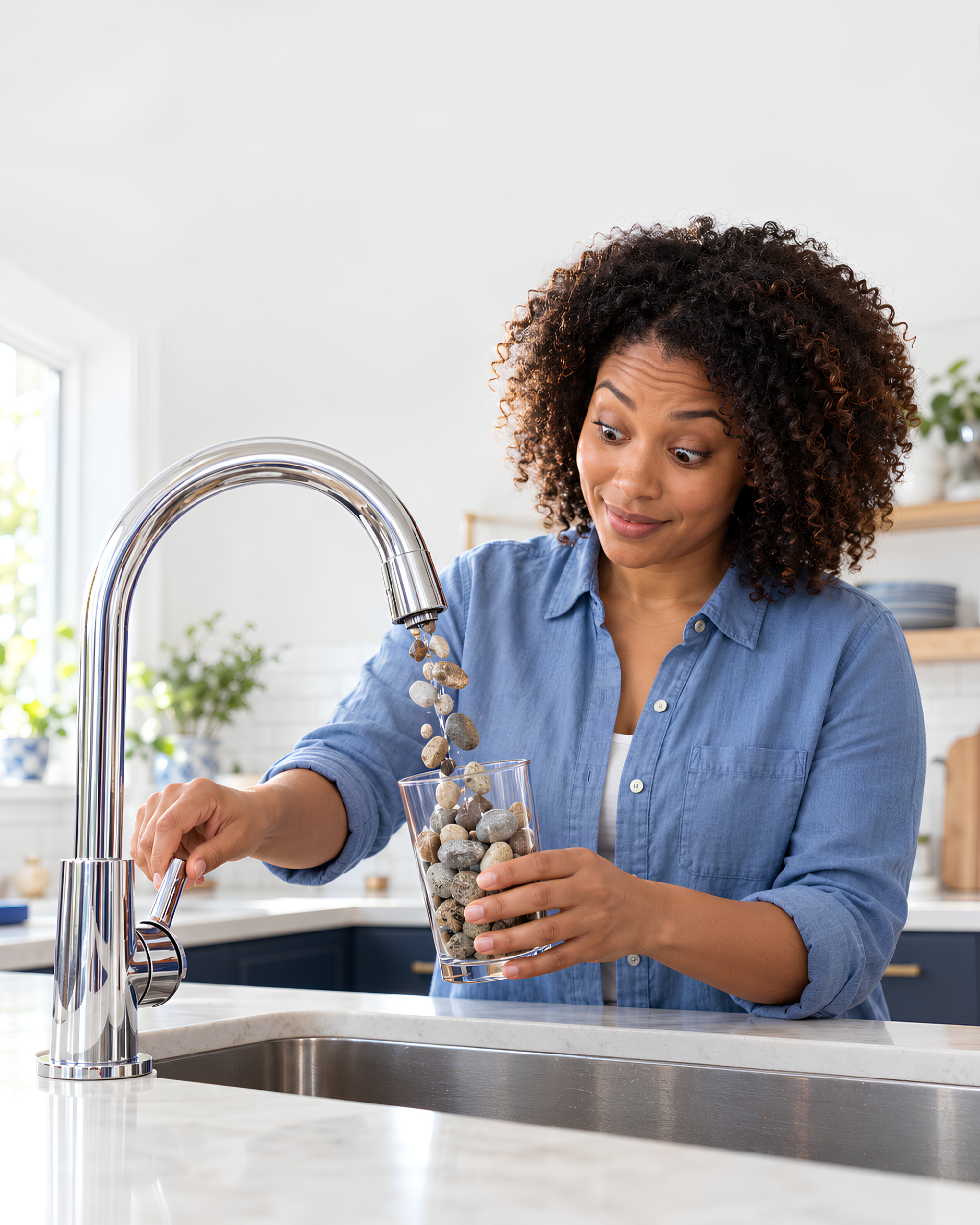
If you've been a resident of Arizona for any amount of time, you're almost surely aware that Arizona has notoriously hard water. But what does that actually mean?
What Is Hard Water?
Water hardness refers to the amount of dissolved minerals found in water, most prominently calcium and magnesium.
Why Is Arizona Water So Hard?
According to the University of Arizona, the state's primary water sources are groundwater, the Colorado River, in-state rivers, and reclaimed water, with groundwater making up 41% and the Colorado River making up 36%. All of these sources pass through areas with high mineral concentrations, and those minerals dissolve into the water through erosion along the way.
Want to explore Arizona's water sources with us? Read Arizona Water 101.
How Is Water Hardness Measured?
Water hardness is measured in grains per gallon (GPG). At Clean H2O Pros, we think of it as a scale from 0 to 10:
| GPG | Level | What it means for your home |
|---|---|---|
| 0–1 | Good | Little to no impact |
| 2–3 | Nuisance | Spots and buildup on nearly everything |
| 4–5 | Hard | Buildup and scale on faucets, showers, and toilets |
| 6–7 | Very hard | Can damage pipes and plumbing, and may void appliance warranties |
| 8–10 | Extreme | Severe scale, the highest risk to your plumbing and appliances |
Swipe to see more
You'll also see hardness reported in milligrams of minerals per liter (mg/L). As a rule of thumb, 1 GPG is about 17 mg/L. By one common mg/L scale, below 60 is soft, 61–120 is moderate, 121–180 is hard, and over 180 is very hard. According to Aquatell's measurements, there isn't a single Arizona city with soft water, and an overwhelming number fall into the very hard range.
Want to see how hard your city's water is? See hardness readings from our in-home tests.
Why Should You Care?
Hard water affects multiple areas of daily life:
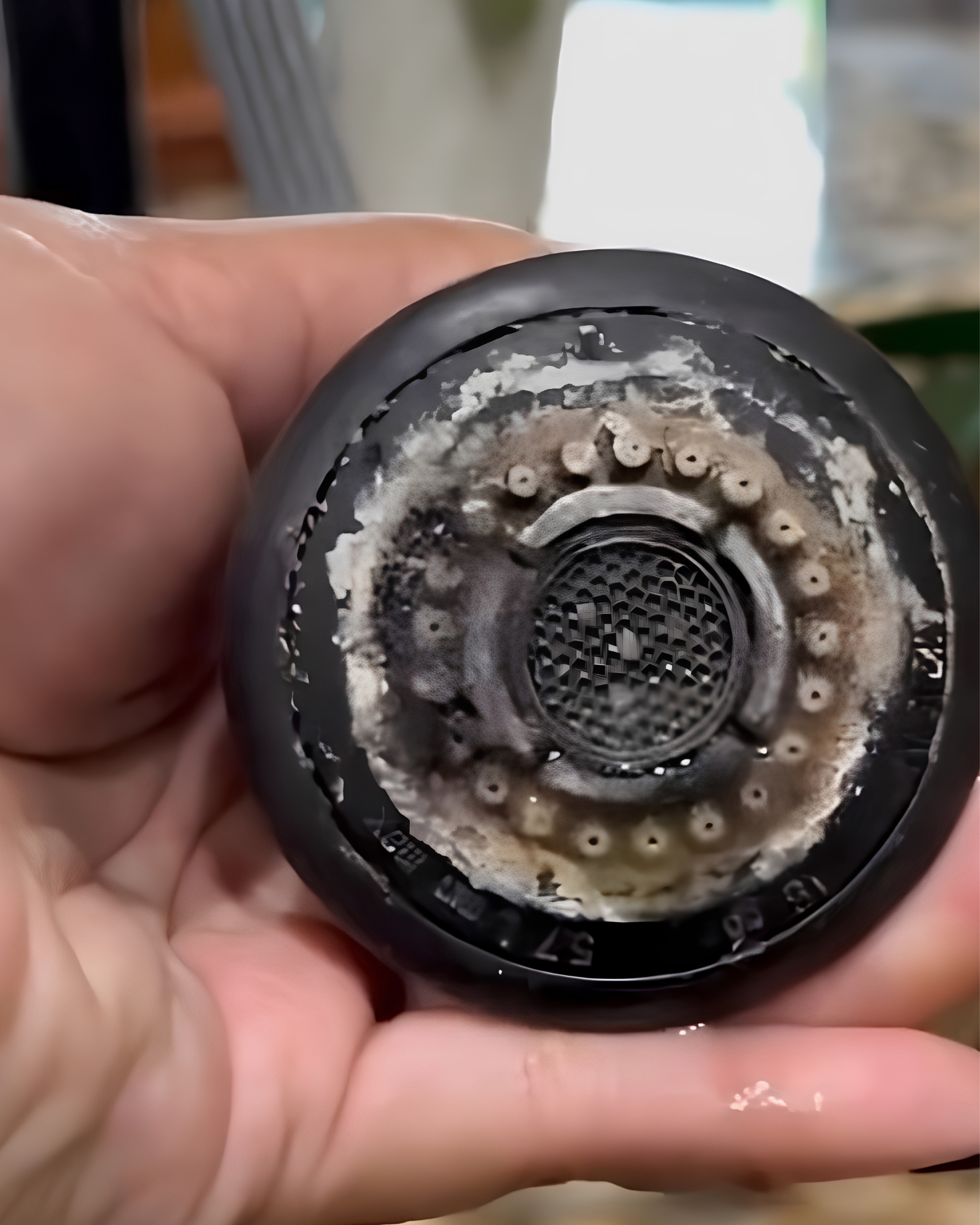
- Your appliances and infrastructure: Hard water creates mineral buildup (scale) on appliances and plumbing. That buildup leads to increased energy usage, less efficient appliances, and a shorter lifespan for water heaters, dishwashers, and more. See how hard water affects your home.
- Your skin and hair: Showering in hard water leaves mineral buildup on your skin and hair, which can dry both out, a real problem in the Arizona summer heat. Learn how water fits into your family's routine.
What Can You Do?
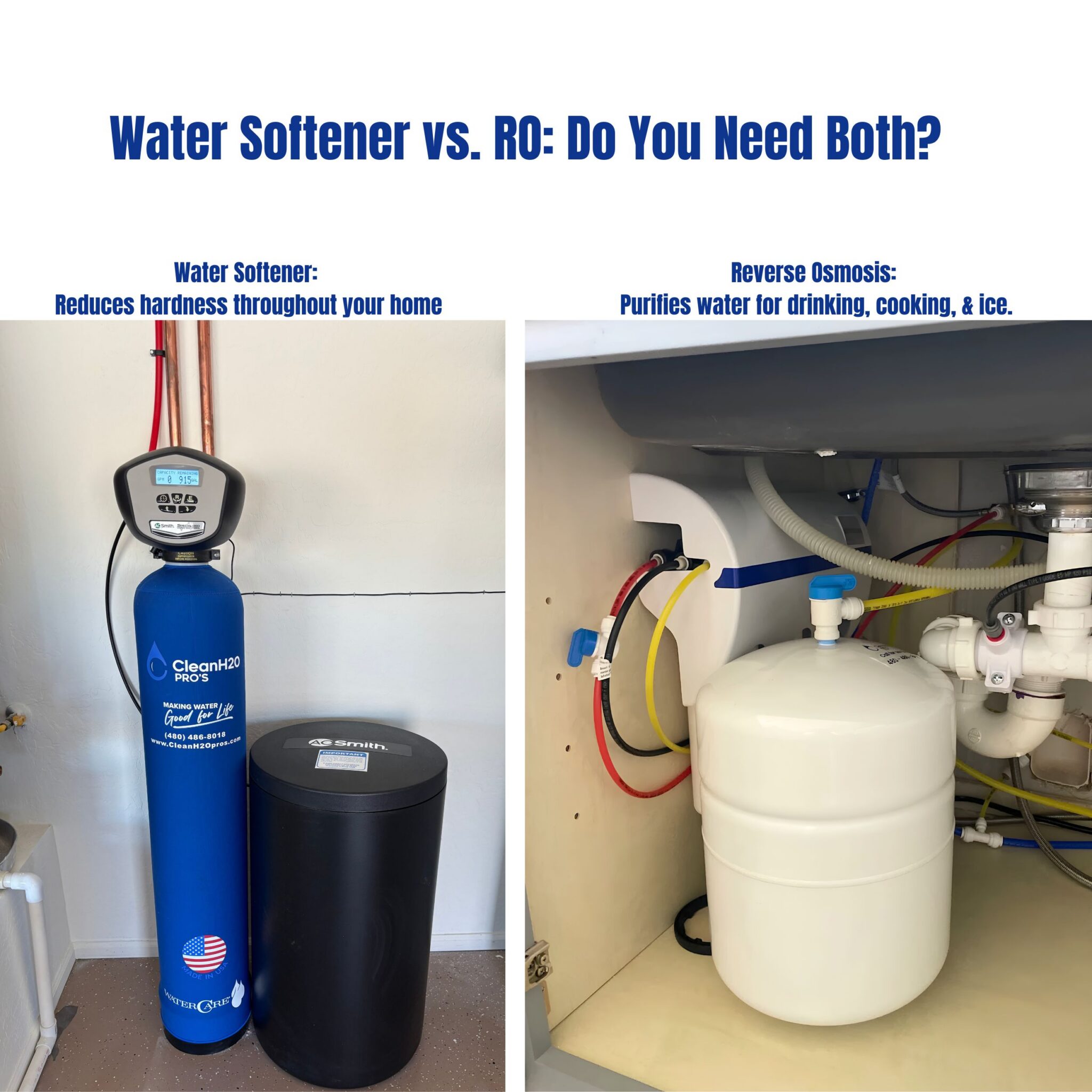
The easiest way to combat hard water is through softening and filtration. Clean H2O Pros offers a host of water solutions built specifically for Arizona's water.
Frequently Asked Questions
What is hard water?
Water hardness refers to the amount of dissolved minerals found in water, most prominently calcium and magnesium.
Why is Arizona water so hard?
According to the University of Arizona, the state's primary water sources are groundwater, the Colorado River, in-state rivers, and reclaimed water, with groundwater making up 41% and the Colorado River making up 36%. All of these sources pass through areas with high mineral concentrations, and those minerals dissolve into the water through erosion along the way.
How is water hardness measured?
Water hardness is measured in grains per gallon (GPG). You may also see it reported in milligrams of minerals per liter (mg/L). As a rule of thumb, 1 GPG is about 17 mg/L.
How does hard water affect my home, skin, and hair?
Hard water creates mineral buildup (scale) on appliances and plumbing, which can lead to increased energy usage, less efficient appliances, and a shorter lifespan for water heaters, dishwashers, and more. Showering in hard water leaves mineral buildup on your skin and hair, which can dry both out.
How can I fix hard water in my Arizona home?
The easiest way to combat hard water is through softening and filtration. Start by finding out your home's water hardness level.
Ready to Find Out Your Water Hardness?
Ready to find out what your water hardness levels are? Give us a call at 480-486-8018, or book a free in-home water test online.
Book a Free Water TestSources
- University of Arizona: Where does our water come from?
- Aquatell, Arizona water hardness measurements